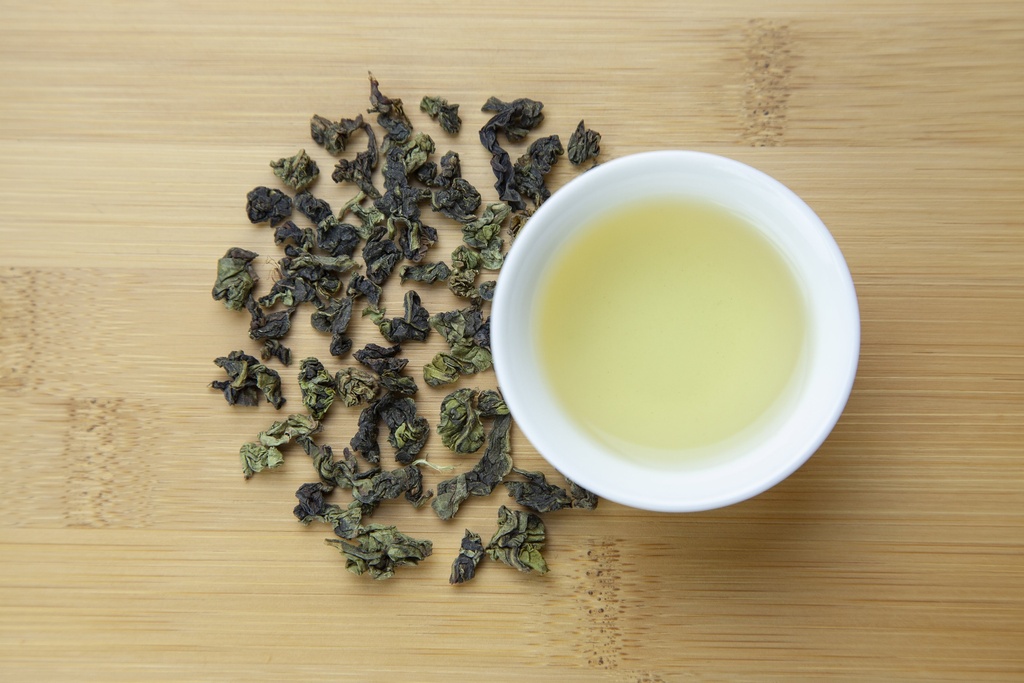
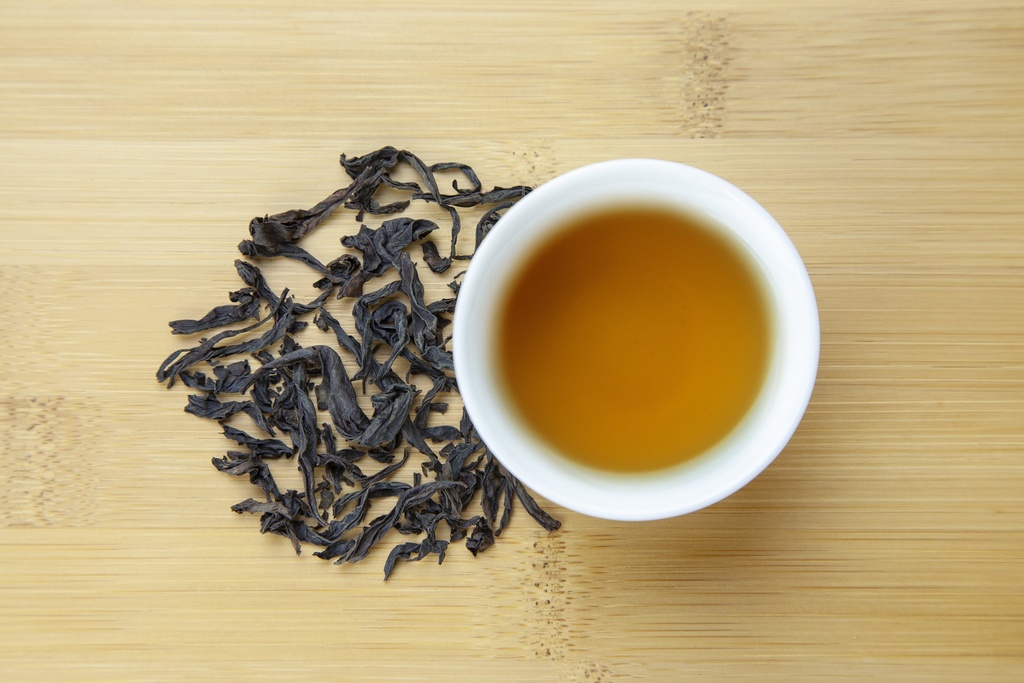
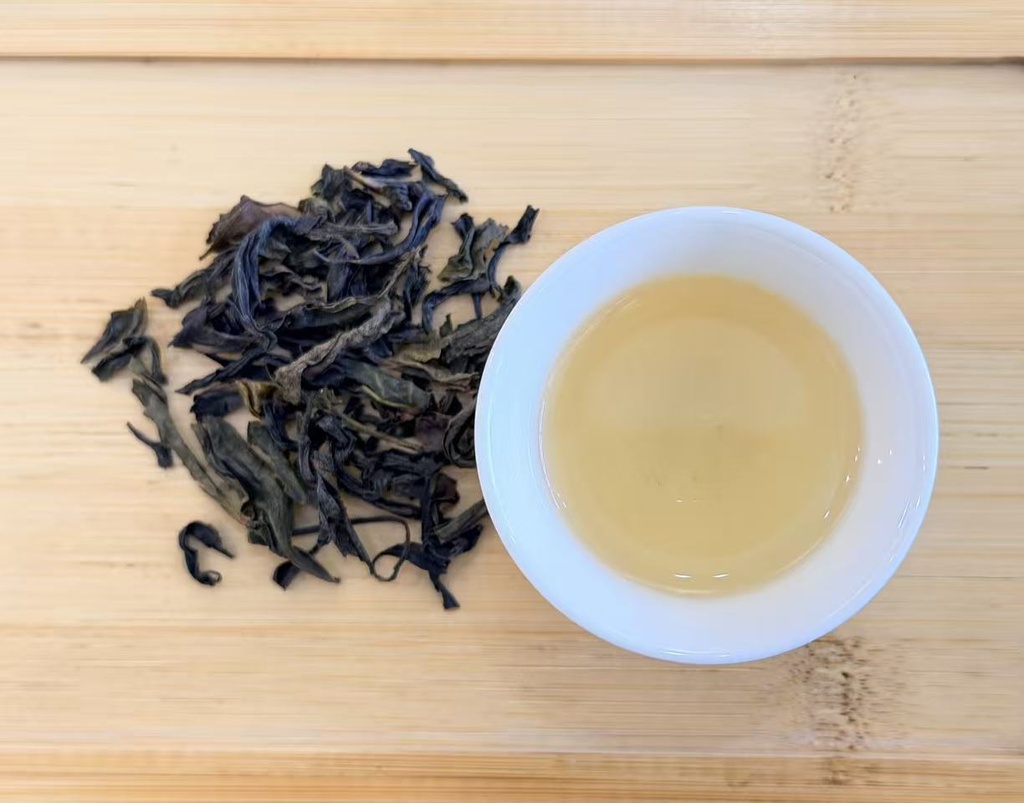
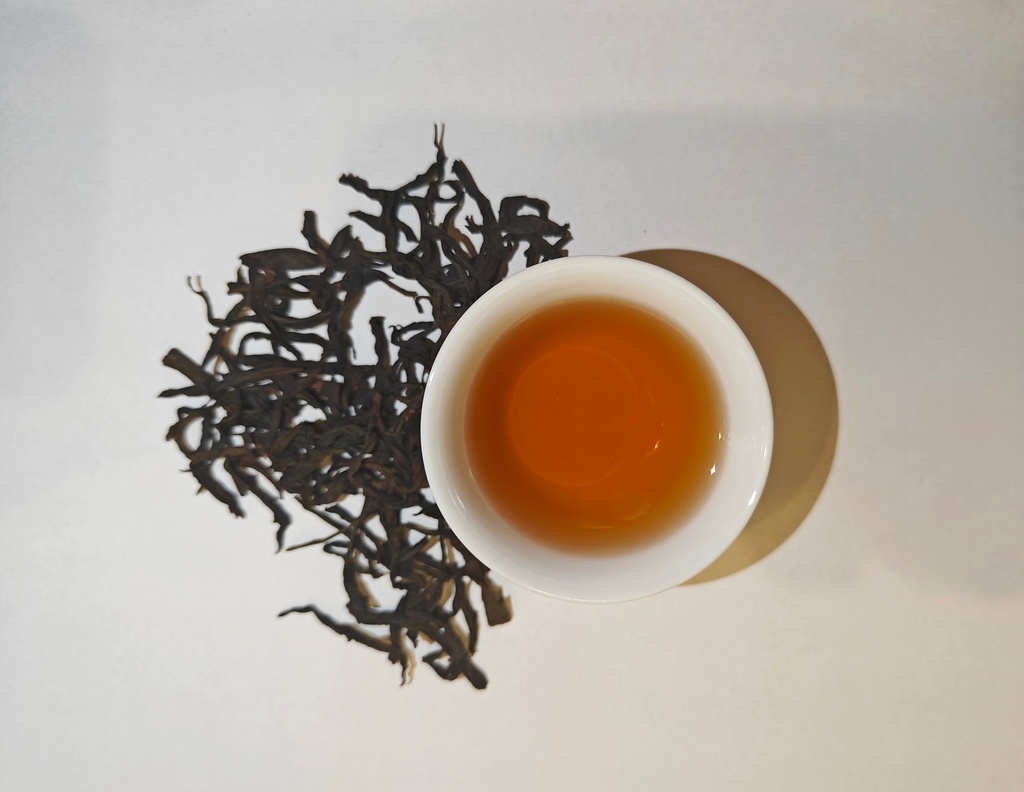
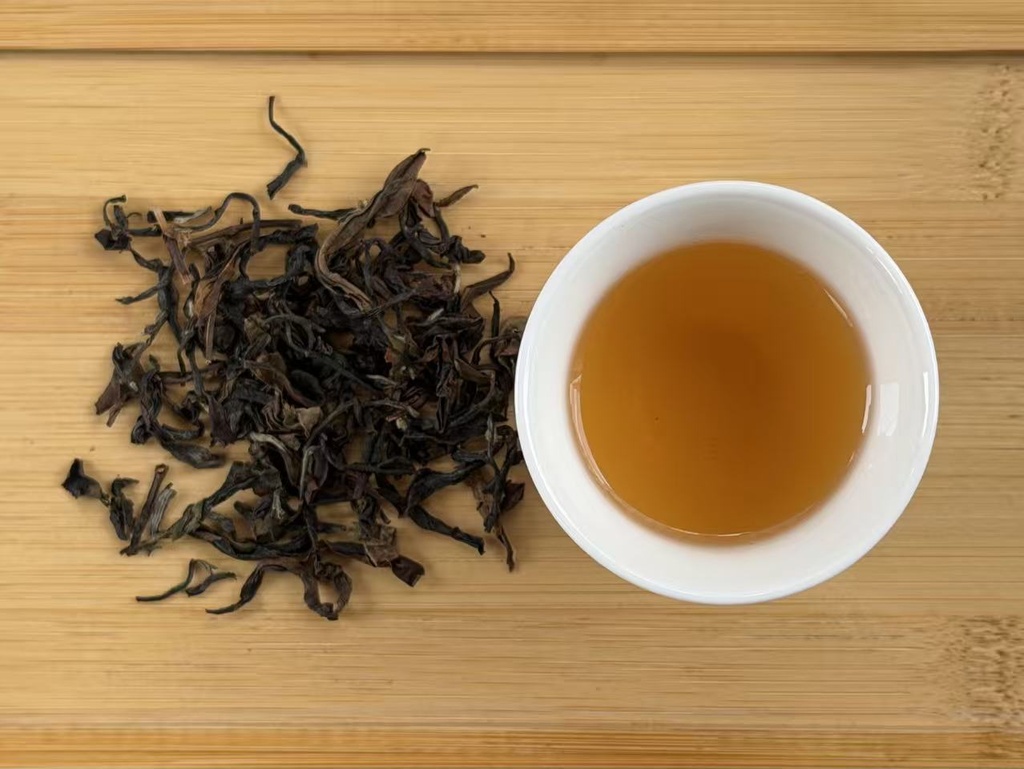
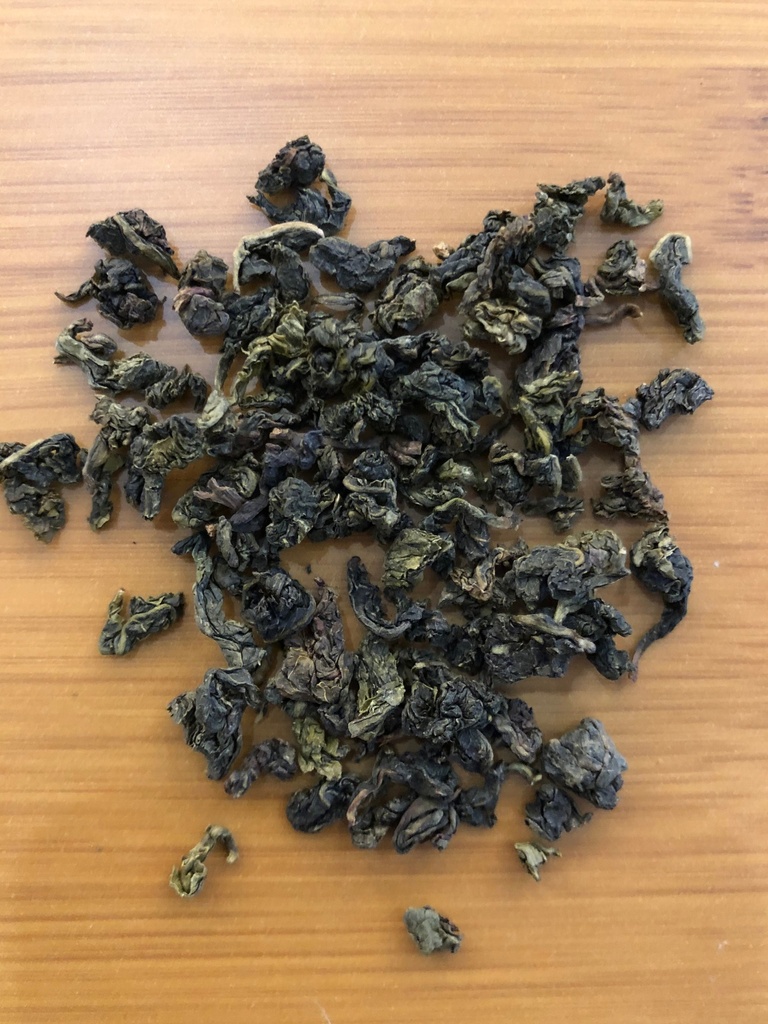
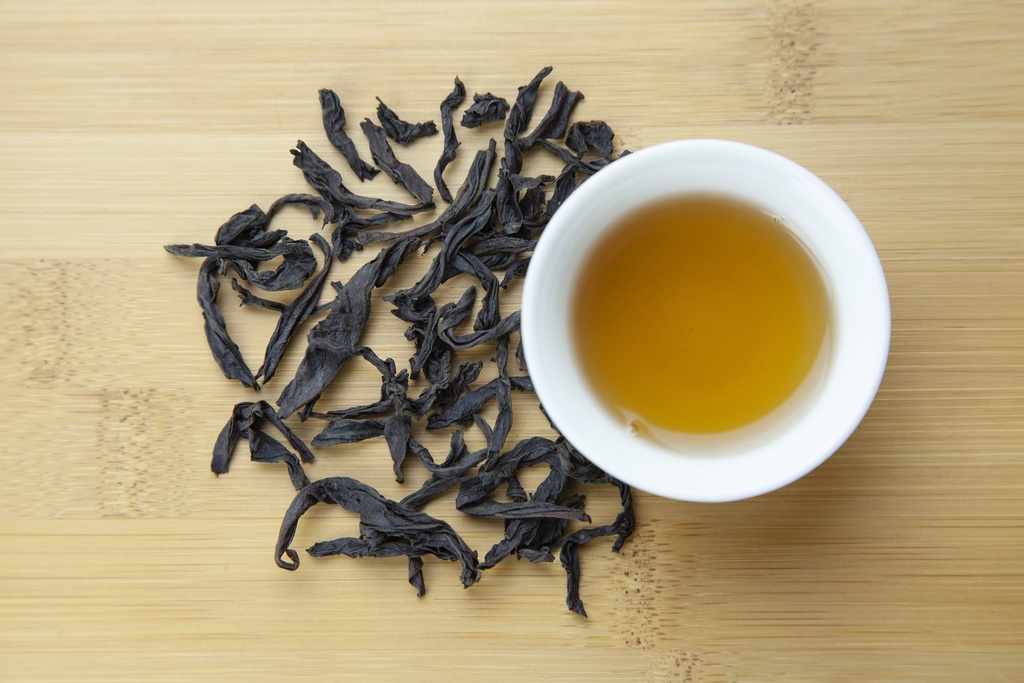
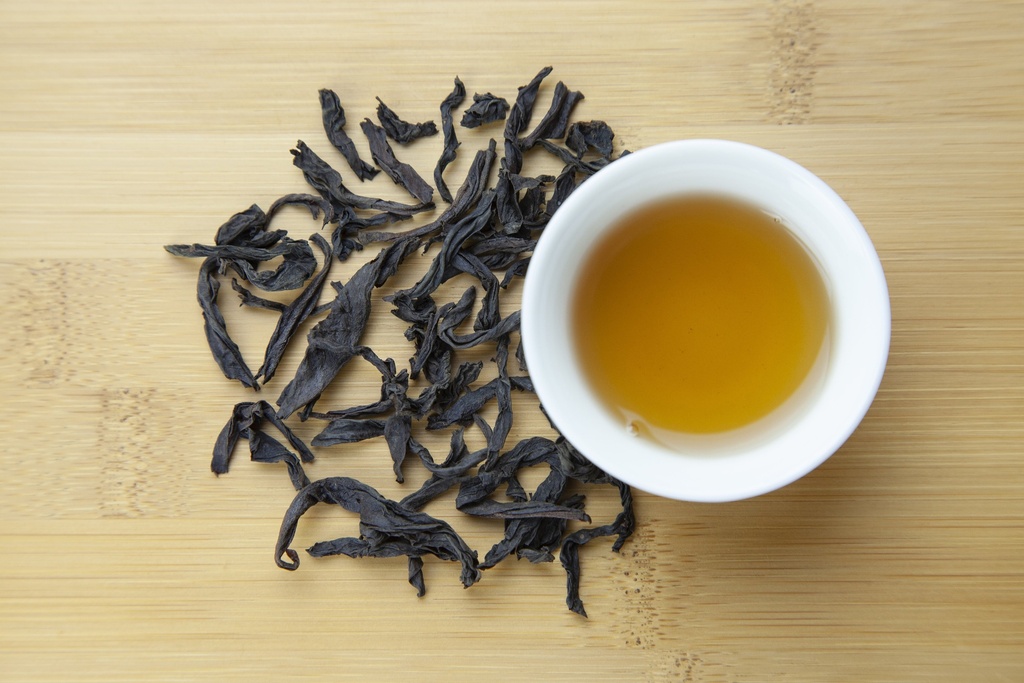
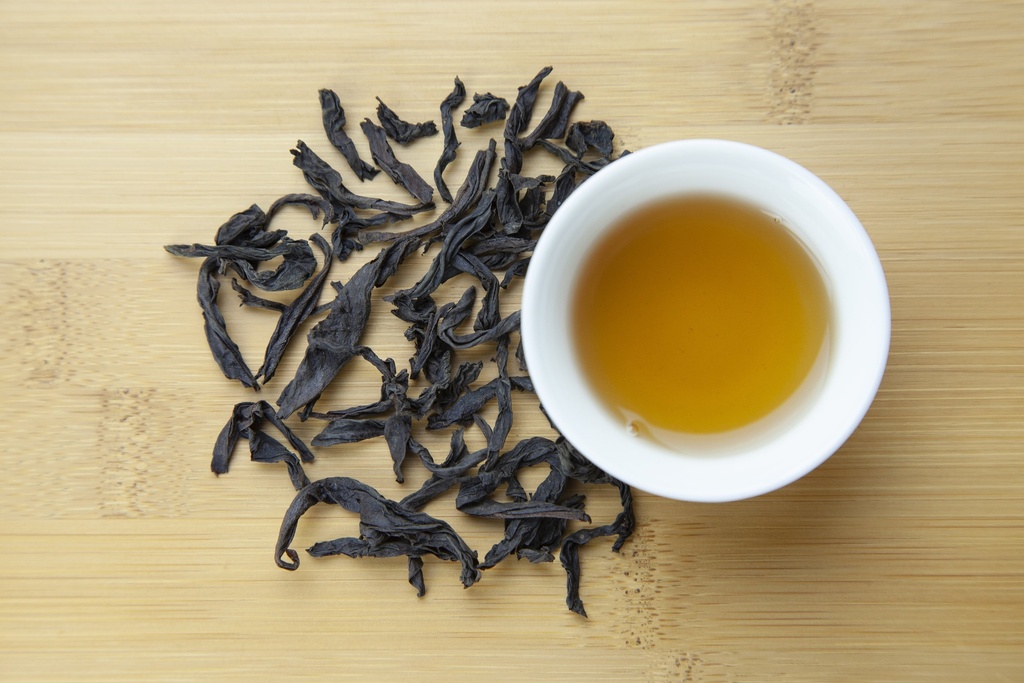
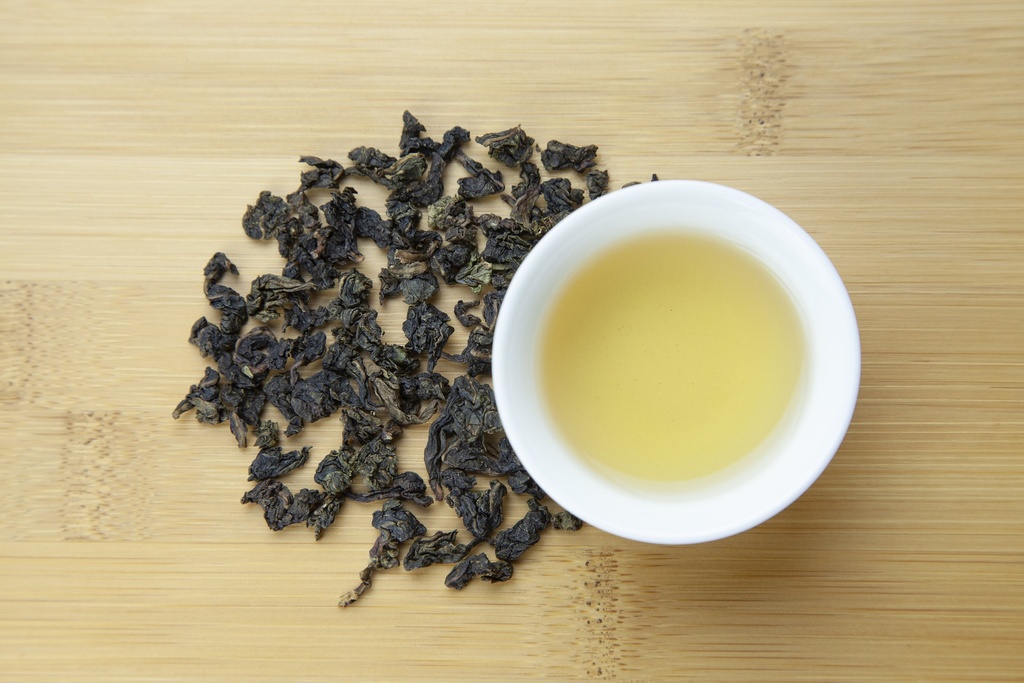
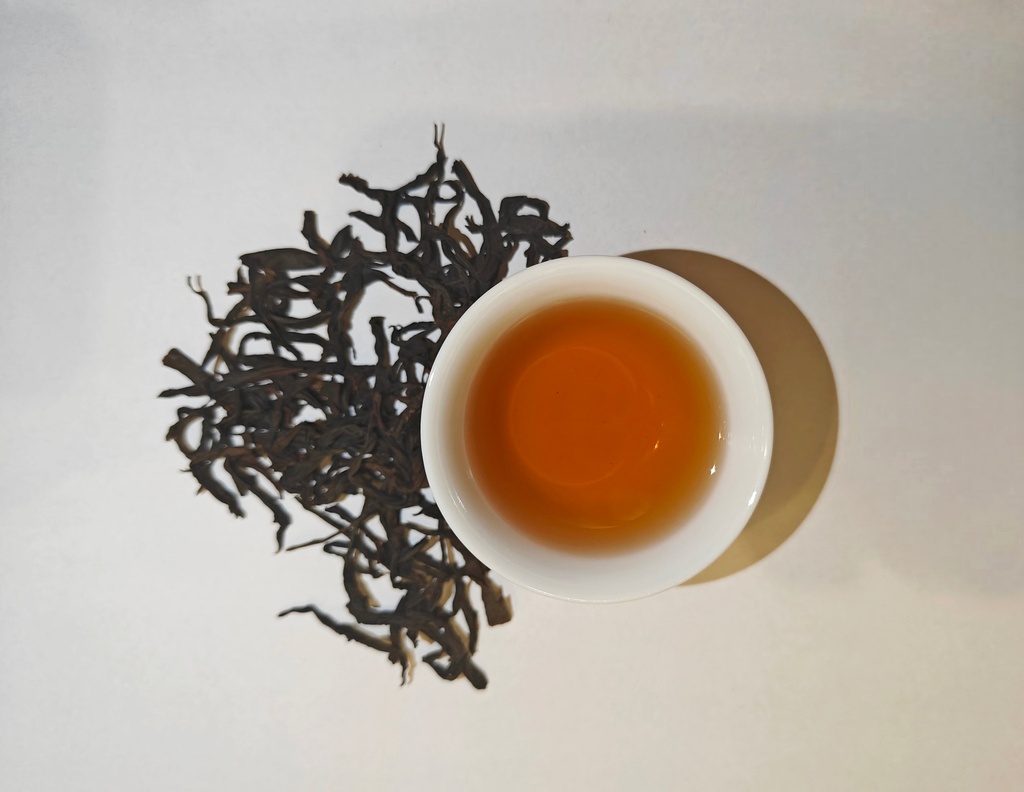
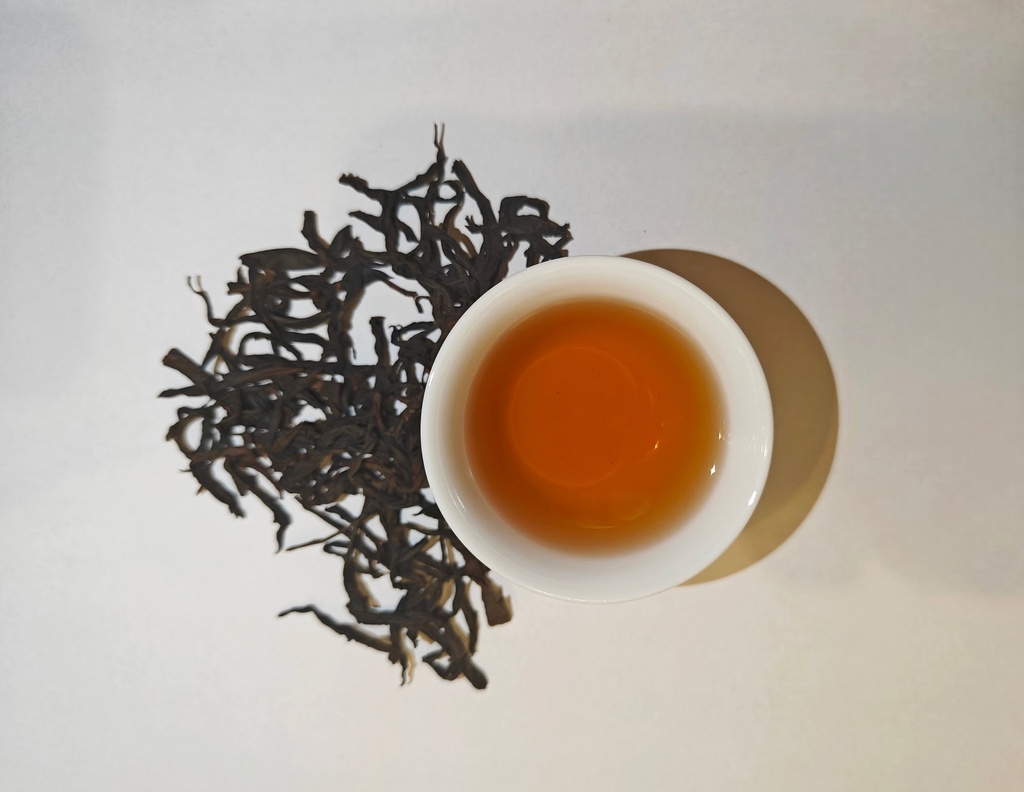
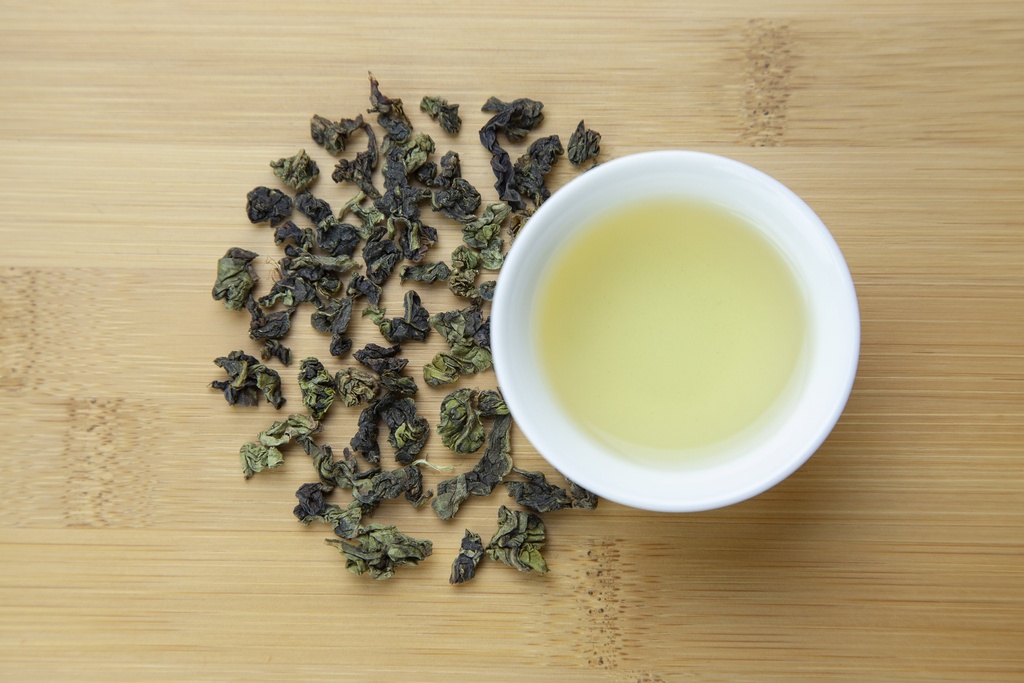
Loose oolong tea straight from China: Tie Guan Yin from Anxi, rock oolong from the Wuyi Mountains and Dancong from Guangdong. Chosen and tasted in our tea shop in Antwerp.
Oolong is partly oxidised tea: somewhere between green and black tea. How long the tea master lets the leaves oxidise and how strongly he roasts them decides the taste, from fresh and floral to deep, roasted and mineral. That makes oolong the most varied family of all Chinese teas.
The best-known kinds
Tie Guan Yin (Iron Goddess of Mercy) from Anxi, Fujian: floral with notes of orchid, lightly or classically roasted. Try our Anxi Tie Guan Yin Classic 2021.
Rock oolong (Yancha) from the Wuyi Mountains: roasted, mineral, with a long finish. Well-known examples are Da Hong Pao and Shui Xian.
Dancong from Phoenix Mountain, Guangdong: every tree has its own aroma, from peach to honey. The famous Duck Shit Aroma owes its name to the soil, not to the taste.
Milky Oolong (Jin Xuan): creamy and soft, a good first oolong. See Milky Oolong 2021.
How to brew oolong
Oolong is best brewed gong fu style: lots of leaf, little water, short steeps. Use 5 to 7 g for a gaiwan or small teapot of 100–120 ml, water at 95–100 °C, and steep 15 to 30 seconds. You can re-steep the same leaves 5 to 8 times, and every cup tastes different. In a regular teapot: 3 g per 250 ml, 3 minutes.
Frequently asked questions
Does oolong contain caffeine? Yes, about as much as green tea and less than coffee.
How do I store oolong? Airtight, dry and dark. Drink lightly roasted oolong within a year; roasted rock oolong can age for years.